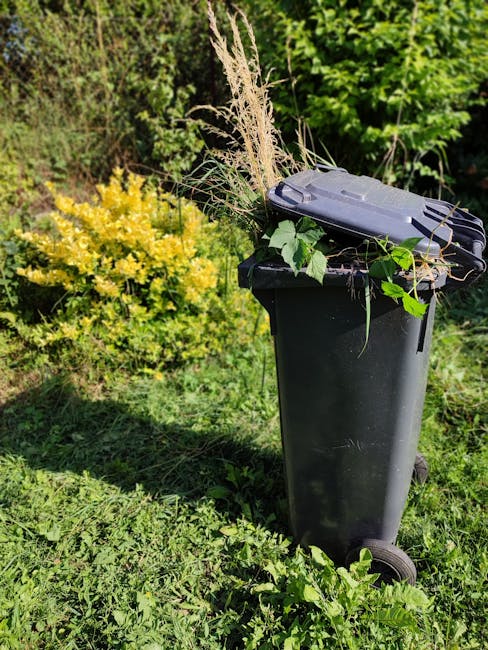
Croydon Council garden waste rules Thornton Heath explained
If you live in Thornton Heath and you've ever stood in the garden with a heap of grass cuttings, hedge trimmings, and a slightly suspicious pile of leaves, you'll know the problem: what actually counts as garden waste, and how are you meant to get rid of it properly? This guide to Croydon Council garden waste rules Thornton Heath explained breaks it down in clear, practical English. No waffle, no guesswork. Just the useful stuff you need to stay on the right side of local rules, avoid messy bin mistakes, and keep your outdoor space under control.
Whether you are doing a quick weekend tidy-up, planning a bigger clearance, or managing a garden that seems to grow faster than you can blink, the rules matter. They affect what you can put out, how you store it, what your collections should look like, and when it may be smarter to book help for heavier green waste. Let's face it, nobody wants a half-full bin rejected on collection day.
In this article, you'll find the essentials, a few real-world examples, and a simple step-by-step approach to dealing with garden waste sensibly in Thornton Heath.
Table of Contents
- Why Croydon Council garden waste rules Thornton Heath explained Matters
- How Croydon Council garden waste rules Thornton Heath explained Works
- Key Benefits and Practical Advantages
- Who This Is For and When It Makes Sense
- Step-by-Step Guidance
- Expert Tips for Better Results
- Common Mistakes to Avoid
- Tools, Resources and Recommendations
- Law, Compliance, Standards, or Best Practice
- Options, Methods, or Comparison Table
- Case Study or Real-World Example
- Practical Checklist
- Conclusion
- Frequently Asked Questions
Why Croydon Council garden waste rules Thornton Heath explained Matters
Garden waste sounds simple until you start separating it from everything else. A few clippings from the lawn are one thing. A mixture of branches, soil, pots, turf, dead plants, and old timber is another story. Councils treat these materials differently because they are handled, processed, and recycled in different ways.
That is why understanding the Croydon Council garden waste rules in Thornton Heath matters. If you mix the wrong materials together, the collection may be refused, the waste may have to be re-sorted, or you may end up paying more than needed for removal. In plain terms, a little organisation saves a lot of hassle.
There is also a practical side. Thornton Heath gardens are often compact, shared, or tucked behind terraced homes, so waste can build up quickly in narrow paths, side returns, and small storage areas. A few damp sacks left out for too long can turn into a slippery, smelly job that nobody enjoys on a Monday morning. You know the sort of thing.
For homeowners, landlords, tenants, and local property managers, the rules also help keep a property tidy and reduce avoidable issues with neighbours, bin storage, and access on collection day. Small details really do matter here.
Expert summary: If you treat garden waste as a separate material stream, keep it clean, and avoid mixing it with general rubbish, you'll make disposal easier, cheaper, and far less stressful.
If your garden jobs are becoming more than a simple tidy-up, services such as garden clearance or ongoing garden maintenance can help keep everything manageable without turning the place upside down.
How Croydon Council garden waste rules Thornton Heath explained Works
The core idea is straightforward: garden waste should be separated from household rubbish and kept in a condition that allows it to be collected or processed properly. In most local systems, that means organic material from outdoor maintenance, not general junk from the shed.
Typical garden waste includes grass cuttings, hedge trimmings, leaves, weeds, small branches, and similar green material. Depending on the collection method in use, waste may need to be presented in a garden bin, approved sacks, or another suitable container. The exact arrangements can change, so it is always wise to check Croydon Council's current guidance before putting anything out. Rules can shift, and, to be fair, they do not always shout about it.
What should usually stay out of garden waste? Anything that is not biodegradable garden material. That often means plastic bags, plant pots, metal wire, broken fencing, rubble, soil, and treated wood. Even if something came from the garden, that does not automatically make it garden waste. Annoying, yes. But useful to know.
If you are handling a larger seasonal clear-out, think of the waste in layers:
- Organic green waste: grass, leaves, weeds, hedge cuttings, twigs.
- Woody material: thicker branches, prunings, tree offcuts.
- Non-organic items: pots, ties, plastic sheeting, broken tools, stones.
- Heavy or mixed materials: soil, turf, roots, rubble, timber.
That separation matters because mixed loads are the ones most likely to cause problems. If you are dealing with tree work or major pruning, it may also make sense to plan around a dedicated service such as tree lopping and removal rather than trying to cram everything into a standard collection routine.
Key Benefits and Practical Advantages
Following the local garden waste rules is not just about avoiding a bin no-show. There are real benefits, and some are surprisingly practical.
- Cleaner storage: sorted waste is easier to keep tidy in a small Thornton Heath garden or side passage.
- Lower risk of rejected collections: if the contents are suitable, you reduce the chance of a failed pickup.
- Better recycling outcomes: clean green waste is more likely to be processed correctly.
- Less odour and mess: properly contained material is less likely to smell, leak, or attract pests.
- Smarter use of time: you spend less time sorting out avoidable mistakes later on.
There is also a quiet financial upside. If you separate waste sensibly, you can decide whether a council collection is enough or whether a one-off clearance job would actually be more efficient. A lot of people only realise this after the fifth trip to the wheelie bin. By then, the hedge has grown back a bit too, naturally.
For residents thinking about longer-term garden upkeep, combining waste management with regular upkeep can be a lot easier than doing big bursts of work. A tidy lawn via lawn mowing, periodic hedge work, and scheduled tidying often creates far less waste in the first place.
Who This Is For and When It Makes Sense
This guidance is useful for a lot of people in Thornton Heath, not just keen gardeners. In practice, it tends to help:
- Homeowners who do their own garden upkeep and want to avoid disposal mistakes.
- Tenants responsible for a private garden and expected to leave it tidy.
- Landlords and letting agents managing changeovers, end-of-tenancy clear-outs, or neglected outdoor areas.
- Older residents who prefer a straightforward, low-stress approach to green waste.
- Busy families trying to keep on top of a garden without spending all weekend sorting sacks.
- Anyone planning landscaping work where soil, turf, or cut material may need separate handling.
It makes sense to think about the rules before:
- you start a heavy prune after spring growth;
- you clear a garden after a long period of neglect;
- you replace planting beds or turf;
- you have tree branches, roots, or large cuttings to remove;
- you are not sure whether the material is green waste or general garden junk.
If the job involves redesign as well as disposal, the topic shifts into broader site preparation. In that case, services like landscaping or landscape gardening can be useful because they deal with the garden as a whole, not just the pile at the end.
Step-by-Step Guidance
Here is the simplest way to handle garden waste in Thornton Heath without making a meal of it.
- Sort the waste at source. Put grass, leaves, and soft cuttings together. Keep branches and woody material separate if possible.
- Remove contamination. Take out plastic, string, plant supports, stones, broken ornaments, and anything non-organic.
- Check what your collection method allows. If you are using a council garden waste service, make sure the waste fits the accepted format and container type.
- Do not overload containers. Heavy, wet green waste can become awkward very quickly. A full sack is no joke once it's soaked through.
- Store it safely until collection. Keep bags tied, bins closed, and pathways clear.
- Book extra help if needed. If the waste volume is too large or the mix is too varied, arrange a dedicated clearance service.
A small but useful habit: process the waste as you go. Cut, collect, sort, and bag in stages. If you leave everything until the end, the garden starts looking like it had a minor argument with a mower.
For recurring outdoor maintenance, it can help to coordinate jobs. For example, hedge trimming and mowing together often produces a cleaner, more manageable waste stream than doing them weeks apart. If that sounds familiar, hedge trimming and lawn mowing are the sort of services that can keep the workload from snowballing.
Expert Tips for Better Results
After years of seeing how garden waste builds up, the best advice is often the least glamorous: keep it simple and regular. Most problems happen because waste is left too long, mixed too early, or stored badly.
Here are a few useful habits:
- Cut in dry weather where possible. Wet grass and leaves are heavier, messier, and harder to manage.
- Use breathable sacks for some material. They help reduce sogginess and unpleasant smells.
- Chop larger branches down. Smaller pieces are easier to stack, tie, and collect.
- Separate soil and turf early. These are the items most likely to complicate things.
- Think about access. Narrow alleyways, steps, and side gates can turn a simple job into a bit of a wrestling match.
One more tip that sounds obvious but gets missed all the time: keep an eye on what is actually being generated by the work. A few minutes with pruning shears can produce enough waste to fill a bag before lunch. It sneaks up on you.
If you are trying to reduce waste over time, good maintenance helps. Regular visits from a local team for garden maintenance can stop the garden reaching the point where everything needs cutting back at once. That, in turn, usually means less disposal drama.
Common Mistakes to Avoid
Some of the same errors come up again and again. Nothing dramatic, just the sort of mistakes that make a simple job annoying.
- Mixing garden waste with household rubbish. This is the big one. Once mixed, it is harder to process and may not be accepted as green waste.
- Including non-organic materials. Plastic ties, pots, wire, and rubble should not be hidden in the pile.
- Leaving waste loose on the pavement or front path. That creates safety issues and can upset neighbours. Fairly understandable, really.
- Overstuffing bags or bins. Heavy loads can split, tip, or become impossible to move safely.
- Ignoring access and timing. If the collection point is awkward or the waste is out too early, the whole plan becomes messy.
- Assuming all garden debris is allowed. Soil, turf, and thick roots often need different handling.
A subtle mistake is planning a major clear-out without thinking about removal capacity. A garden refresh may sound manageable until the first hedge comes down and suddenly there are piles everywhere. If that is where you are heading, look at whether garden clearance would be the cleaner option.
Tools, Resources and Recommendations
You do not need a mountain of equipment, but a few basics make life easier.
- Sturdy garden bags or bins for sorting waste safely.
- Sharp secateurs and loppers for reducing branch size.
- A rake and broom for gathering leaves and loose cuttings.
- Tarpaulin or sheet to move material without scattering it everywhere.
- Gloves because thorns, splinters, and hidden debris are not worth the risk.
For slightly larger jobs, a local professional can save a lot of back-and-forth. That might mean using a maintenance service for routine upkeep, or a clearance team when the job has already grown beyond the "just one afternoon" category. It happens. More often than people admit.
If you want to understand how a provider approaches quality, safety, and service standards, the pages on services overview, recycling and sustainability, and insurance and safety are useful starting points. They help you judge whether the work is being handled in a responsible, organised way.
Law, Compliance, Standards, or Best Practice
When people talk about council garden waste rules, they are usually referring to local collection requirements and accepted waste-handling practice rather than anything dramatic. Still, there are some important principles to keep in mind.
First, keep waste streams separate. Green waste is different from general domestic waste and from construction-style waste such as rubble or treated timber. Mixing them can create collection problems and poor recycling outcomes.
Second, present waste safely. That means using suitable containers, avoiding overflow, and keeping access routes clear. In a local setting like Thornton Heath, where front access can be tight, this matters more than people expect.
Third, treat council guidance as the baseline. Local rules and service details can change, so the safest approach is to follow the current Croydon Council instructions rather than relying on what worked last year.
Fourth, use sensible disposal standards. The practical norm in the UK is to keep green waste free from contamination and make it easy to collect or compost. That is not just tidier; it also supports recycling and environmental handling.
If you are arranging work through a contractor, there is also a duty to handle waste responsibly and safely. That is where good practice around vehicle loading, site cleanliness, and clear communication really counts. The paperwork may not be exciting, but it does matter. A lot.
Options, Methods, or Comparison Table
There are usually three main ways Thornton Heath residents deal with garden waste. Each has its place, and the best one depends on volume, timing, and how mixed the material is.
| Method | Best for | Pros | Limitations |
|---|---|---|---|
| Council garden waste collection | Regular light-to-moderate green waste | Convenient, structured, often suitable for routine upkeep | May have container rules, collection schedules, and item restrictions |
| Home composting | Leaves, grass cuttings, soft clippings | Low waste, eco-friendly, good for ongoing garden care | Not suitable for all materials; needs space and patience |
| Professional clearance | Large, mixed, heavy, or awkward loads | Fast, practical, less lifting and sorting for you | Usually best for bigger jobs or when time matters |
Home composting is often the quiet winner if you have room and you are dealing with a steady flow of leaves and cuttings. But if your garden work has produced a mixed heap of branches, turf, and general debris, a professional clearance may be more efficient. For many people, that's the moment the penny drops.
If you're unsure which route suits your situation, a quick look at pricing and quotes can help you compare the likely shape of the job before you commit to a method.
Case Study or Real-World Example
Here's a simple local-style scenario. A homeowner in Thornton Heath spends a bright Saturday morning cutting back a hedge, mowing the lawn, and clearing a patch of overgrown borders. By midday, there is a small mountain of grass cuttings, a bundle of hedge trimmings, and a few thicker branches from the back corner. At first, the plan is to put everything into one heap and sort it out later.
That is usually where trouble starts.
Instead, the waste is separated into three groups: soft green waste, woody cuttings, and the odd bits of non-organic debris pulled from the borders. The small material goes into the garden container, the branches are tied down neatly, and the plastic ties and pot fragments are kept out of the mix. The result? Less mess, easier collection, and no awkward last-minute reshuffling on the front path.
Now imagine the same garden after a long period of neglect. The pile would be bigger, heavier, and probably mixed with soil and old plant supports. In that case, the better answer would likely be a fuller clearance rather than a routine collection. The difference is not subtle once you stand there and look at it. One job is maintenance. The other is recovery.
That is why the right disposal method depends on the scale of the job, not just the fact that it is "garden waste."
Practical Checklist
Use this quick checklist before you put anything out for collection or book a clearance job.
- Have I separated green waste from household rubbish?
- Have I removed plastic, wire, pots, stones, and other contamination?
- Are any branches too large to handle safely?
- Is soil, turf, or root material included and needing separate treatment?
- Are the bags or bins within the accepted size and weight?
- Is the collection point easy to access?
- Have I checked the latest Croydon Council guidance?
- Would regular maintenance reduce this waste next time?
- Do I need a one-off clearance instead of trying to manage it all myself?
If you can tick most of those boxes, you are already ahead of the game. And if not, no panic. Garden waste tends to be more about organisation than hard labour, even though it rarely feels that way on a damp afternoon.
Conclusion
Croydon Council garden waste rules in Thornton Heath are really about one thing: handling outdoor waste cleanly, safely, and in the right category so it can be collected or processed properly. Once you separate green waste from mixed rubbish, keep containers sensible, and avoid common contamination mistakes, the whole process becomes much easier.
For small routine jobs, council collection or light composting may be enough. For bigger clear-outs, awkward access, or mixed debris, a more hands-on service can save time and effort. The trick is knowing which job you are actually dealing with before the bags start piling up by the gate.
And truth be told, that bit of judgement is what keeps a garden from getting out of hand in the first place.
If your Thornton Heath garden needs more than a quick tidy, it may be the right moment to get practical support from a trusted local team.
Get a free quote today and see how much you can save.
Frequently Asked Questions
What counts as garden waste under Croydon Council rules?
Garden waste usually means organic material from outdoor maintenance, such as grass cuttings, leaves, weeds, hedge trimmings, and small branches. Items like plastic, pots, rubble, and treated wood are generally not treated as garden waste.
Can I put soil in my garden waste bin?
Soil is often handled differently from green waste and may not be accepted in the same container. It is best to check the current Croydon Council guidance before including soil, turf, or roots.
Do I need to separate hedge trimmings from grass cuttings?
It is a good habit, especially when the waste is being collected in a council container or moved by hand. Separating soft green waste from woody material makes the load easier to manage and reduces contamination risk.
What happens if my garden waste contains plastic or pots?
Mixed contamination can lead to collection issues. Waste may be rejected or need to be sorted again, which creates extra work and delays. It is usually better to remove those items before collection day.
Is council garden waste collection enough for a large garden clearance?
Sometimes, but not always. If the job includes a lot of branches, turf, soil, or mixed debris, a routine collection may not be the most practical option. A dedicated clearance service is often easier for larger jobs.
How do I know whether I need garden clearance or maintenance?
If the garden just needs routine cutting, weeding, and tidying, maintenance is usually the right fit. If the space is overgrown, cluttered, or needs a full reset, garden clearance is more suitable.
Can I compost all my garden waste at home?
Not all of it. Composting works well for leaves, soft cuttings, and similar organic material, but it is not suitable for every type of garden debris. Thick branches, soil, and non-organic items need another solution.
What is the easiest way to avoid a rejected collection?
Keep the waste clean, separate, and within the container rules. Avoid overfilling, remove non-organic material, and check the latest local guidance before putting anything out.
Are tree branches treated differently from grass and leaves?
Often, yes. Smaller clippings and leaves are usually easier to process than thicker branches, which may need chopping down or separate handling. Larger woody material is one of the main reasons people switch to a clearance service.
Why do garden waste rules matter so much in Thornton Heath?
Because a lot of homes have limited outdoor storage, narrow access, and smaller gardens where waste builds up quickly. Good sorting and disposal habits keep everything tidier, safer, and far less stressful.
Where can I find help if my garden waste is getting out of hand?
If the job is getting bigger than expected, it helps to speak with a local gardening team that understands clearance, maintenance, and safe disposal. For general service information, the about us page is a good place to start, and contact us is there when you are ready to ask about the next step.
Even the tidiest garden throws up a surprise now and then. The good news is, once you understand the rules, it all becomes much more manageable.