Gardeners Thornton Heath: Recycling and Sustainability
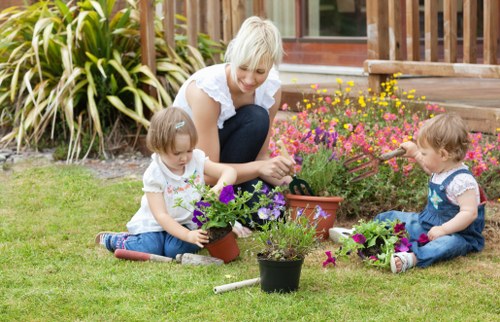 Gardeners Thornton Heath is committed to creating an eco-friendly waste disposal area and a more sustainable rubbish gardening area across Thornton Heath. Our local gardeners and landscape teams work with residents, community groups and the borough to reduce landfill, increase reuse, and make every green bag count. This overview sets out targets, partnerships, and operational steps so neighbourhood gardening in Thornton Heath stays low-carbon and circular.
We align our operations with the London Borough approach to waste separation—encouraging separation of food waste, garden cuttings and dry recyclables at source. Thornton Heath gardeners help property owners anticipate how garden waste fits into local kerbside schemes and bring an on-site culture of separation into communal spaces where appropriate. Emphasis is placed on diverting green waste to composting streams rather than sending it to residual disposal.
 Targets: Our headline recycling percentage target is clear: to achieve a 70% recycling rate for garden-related and associated recyclable materials within five years. In parallel we aim to raise the overall operational recycling rate for our services to at least 65% by 2028. These percentages cover green waste, untreated timber, clean soil and inert materials reused on site, plus segregated plastics, glass and metal from site waste streams.
Sustainable operations and local infrastructure
To reach these targets, Gardeners in Thornton Heath work with local transfer stations and material recovery networks to ensure that separated loads enter the right circular channel. We use licensed local transfer stations and South London material recovery facilities that accept segregated green waste, wood, and mixed recyclables so fewer resources are sent to landfill. Working with properly permitted centres helps keep the borough's environmental standards high.
Key sustainable practices we promote include site segregation, communal green waste bays for apartment complexes, and on-site composting where space and permissions allow. Our teams record waste streams and provide simple separation labels for bins. That reduces contamination and improves the yield sent to composting or recycling centres across the Croydon area.
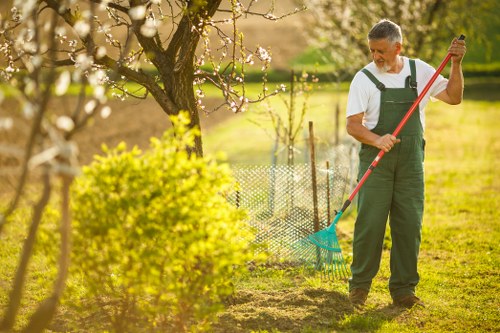 We also focus on resource substitution: prioritising reused, reclaimed or sustainably sourced materials when renovating gardens. That includes reclaimed paving, second‑life planters, and mulches made from processed garden arisings. These decisions directly reduce embodied carbon for landscaping projects delivered by Thornton Heath gardening services.
Partnerships, charities and community reuse
Partnerships with charities and community organisations are central to our model. We collaborate with local charities and social enterprises that specialise in reuse and redistribution—helping redirect usable items such as plant pots, tools, timber offcuts and furniture to community projects, allotments and social gardens. These partnerships convert potential waste into community assets and support social value in Thornton Heath.
Examples of collaboration include seasonal plant and soil swaps with community gardens, donation of usable timber to local woodwork charities, and joint events that encourage residents to separate garden and household recyclables. Our work complements borough education campaigns and local volunteer drives to improve recycling behaviours across streets and communal green spaces.
 Operationally, we run a small fleet of low-carbon vans and aim to electrify the fleet over time. Current measures include use of electric vans for local rounds, route optimisation to cut mileage, and trialling cargo bikes for small tool runs in dense zones. Switching to low-emission vehicles helps reduce local air pollution and noise while supporting the borough's broader climate goals.
 Measurement and transparency matter. Gardeners Thornton Heath track diversion rates, fuel use and vehicle emissions annually, publishing accessible summaries to community forums and partner organisations. This ensures progress toward the recycling percentage target is measurable and that operational changes such as expanded segregation, improved transfer station sourcing, and fleet electrification are demonstrably effective.
To support residents and communal landlords we provide clear lists of recyclable garden materials suited to local processing:
- Garden cuttings, grass and leaves for composting
- Untreated wood and branches for chipping and mulch
- Clean soil and rubble suitable for reuse or inert recycling
- Separate containers for cans, glass and plastics removed during clearance
By blending practical on-site separation, partnerships with charities and reuse groups, reliance on licensed local transfer stations, and an increasing number of low-carbon vans, Thornton Heath gardeners aim to make the neighbourhood a model for sustainable rubbish gardening and eco-friendly waste disposal. Together with residents and community partners we will pursue the 70% green-waste recycling ambition and keep gardens productive, low-carbon, and circular for years to come.

