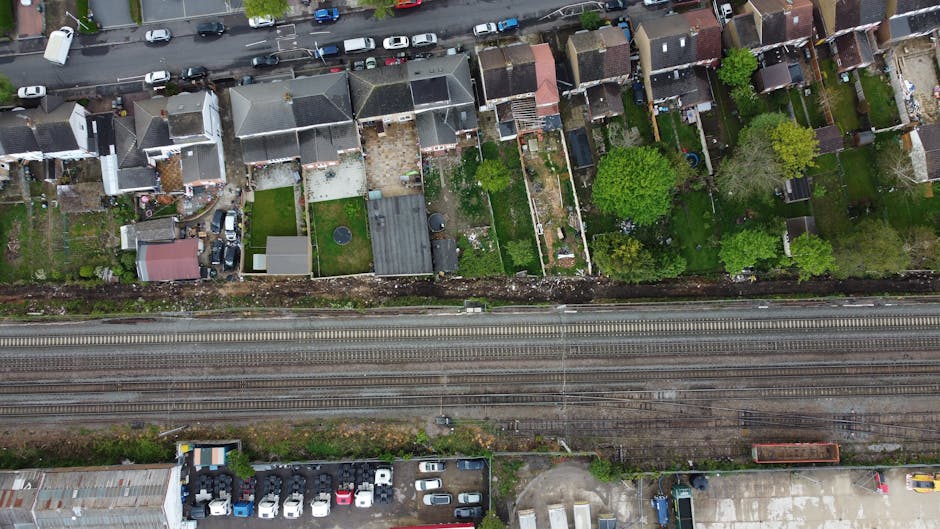
Thornton Heath Station garden maintenance guide for landlords
If you rent out a property near Thornton Heath Station, the garden can quietly shape almost everything tenants feel about the place. A tidy lawn, trimmed hedge, and clear path say the home is cared for. A scruffy, overgrown space says the opposite, and tenants notice that in the first five seconds. This Thornton Heath Station garden maintenance guide for landlords breaks down what actually matters, how to stay on top of it, and how to avoid the usual last-minute panic when a tenancy is ending or a neighbour starts complaining. It is written for real-life landlords, not perfectionists with endless free time.
To be fair, garden care is one of those jobs that looks simple until you ignore it for a month. Then the weeds appear, the hedge gets shaggy, and the whole thing becomes a bigger repair than it ever needed to be. The good news? A clear maintenance routine keeps costs more predictable, protects your property's curb appeal, and makes inspections far less awkward.
Contents
- Why Thornton Heath Station garden maintenance guide for landlords Matters
- How Thornton Heath Station garden maintenance guide for landlords Works
- Key Benefits and Practical Advantages
- Who This Is For and When It Makes Sense
- Step-by-Step Guidance
- Expert Tips for Better Results
- Common Mistakes to Avoid
- Tools, Resources and Recommendations
- Law, Compliance, Standards, or Best Practice
- Options, Methods, or Comparison Table
- Case Study or Real-World Example
- Practical Checklist
- Conclusion
- Frequently Asked Questions
Why Thornton Heath Station garden maintenance guide for landlords Matters
Landlords around Thornton Heath Station often deal with a mix of property types: compact terraces, back gardens shared across narrow access routes, and front gardens that are highly visible from the street. That matters because gardens here are not just decorative. They affect how tenants use the property, how neighbours perceive it, and how easy it is to inspect and re-let.
A neglected garden can create practical problems fast. Paths become slippery, bins are harder to move, fences get hidden by growth, and small issues like broken decking or poor drainage are easier to miss. If you wait until the end of a tenancy, you may find yourself facing a bigger clearance job than expected. And yes, sometimes the garden is the bit that turns a smooth handover into a slightly miserable afternoon.
Regular maintenance also supports the value of the rental itself. A well-managed outdoor space helps the property show better, photographs better, and feels more move-in ready. That can make a real difference when viewings are tight and renters are comparing several homes in one go.
Expert summary: For landlords, garden maintenance is not about chasing a "perfect" lawn. It is about keeping outdoor space safe, presentable, accessible, and easy to manage between tenancies.
If you want a broader overview of what is typically offered, the services overview is a helpful starting point, and ongoing garden maintenance is usually the most practical backbone for rental properties.
How Thornton Heath Station garden maintenance guide for landlords Works
In simple terms, rental garden maintenance works best as a repeatable system rather than a one-off rescue mission. You identify the garden's main pressure points, set a schedule, and decide which tasks need regular attention and which can be left for seasonal visits.
Most landlord gardens need some blend of the following:
- grass cutting and edging
- hedge trimming and boundary shaping
- weed control on beds, patios, and paths
- leaf clearance and general tidy-ups
- pruning of shrubs and small trees
- removal of dead plants, broken pots, or accumulated rubbish
- checks for hazards such as uneven slabs, rot, or low-hanging branches
That is the basic rhythm. Nothing fancy, but it works. A lot of landlords near rail links like Thornton Heath Station prefer a maintenance plan that keeps the garden "inspection ready" rather than allowing it to swing between immaculate and chaotic. That middle ground is usually where the savings are.
If a space has become heavily overgrown, a one-off garden clearance can reset it before a regular maintenance cycle starts. For specific growth problems, lawn mowing, hedge trimming, or even tree lopping and removal may be needed. That last one is not something to wing on a Saturday afternoon, truth be told.
Key Benefits and Practical Advantages
There are several reasons landlords tend to keep a close eye on gardens, even when tenants are technically responsible for day-to-day tidying. The benefit is not just visual. It affects the whole management cycle.
- Better first impressions: A neat garden gives prospective tenants confidence before they even step inside.
- Fewer complaint calls: Neighbours are less likely to complain about messy boundaries, weeds, or branches crossing into shared areas.
- Lower end-of-tenancy stress: When maintenance is consistent, final checks are much easier.
- Reduced repair risk: Overgrowth can conceal broken paving, pests, drainage issues, or fence damage.
- Clearer budgeting: Smaller routine visits usually cost less than sudden heavy clearance.
- Better tenant experience: People are more likely to respect a garden that already feels cared for.
There is another benefit that gets overlooked: maintenance keeps decisions simple. If you already have a routine, you are less likely to argue with yourself over whether a garden "needs" attention. You already know it does. That kind of clarity saves time.
For landlords planning larger improvements, landscape gardening and broader landscaping work can also make a rental garden easier to maintain long term, especially where access is awkward or planting is too dense.
Who This Is For and When It Makes Sense
This guide is especially useful if you are:
- a private landlord managing one or a few properties
- a letting agent responsible for turnaround between tenancies
- a portfolio landlord who wants a repeatable outdoor maintenance plan
- a landlord preparing a property for marketing photos or viewings
- someone dealing with a garden that tenants have let slip a bit, despite best intentions
It also makes sense if your property has one of those "looks easy, actually isn't" gardens. You know the type: a small lawn with fast-growing edges, a hedge that suddenly looks two feet taller after rain, or a patch of soil that seems to create weeds out of thin air. Thornton Heath properties often have just enough outdoor space to matter, but not quite enough to ignore.
If you only need help occasionally, you may book occasional tidy-ups rather than full-service maintenance. If the garden is visible from the street or used heavily by tenants, a more regular plan is usually worth it. The real decision is not whether to maintain the garden. It is how often, and to what standard.
Step-by-Step Guidance
Here is a practical way to approach landlord garden maintenance without overcomplicating it.
1. Inspect the garden properly
Walk the whole area. Check the lawn, borders, fence lines, sheds, patios, drains, and any spaces behind bins or bikes. Small issues hide in corners. They always do.
2. Separate cosmetic work from safety work
Some jobs are about appearance, like edging or deadheading. Others are about risk reduction, like clearing slippery moss, removing fallen branches, or trimming growth that blocks sightlines.
3. Tackle the highest-impact tasks first
If time or budget is limited, start with what changes the garden fastest: mowing, hedge cutting, weed removal, and clearance of waste. These create immediate visual improvement.
4. Decide whether the garden needs a reset
If there is severe overgrowth, damp shade, broken boundaries, or too much garden waste, a reset may be the smarter move. A one-off clearance before ongoing visits often saves money in the long run.
5. Set the maintenance frequency
For many rental gardens, monthly or fortnightly attention is enough in the growing season, with lighter winter visits. The right schedule depends on growth rate, tenant use, and whether the property is vacant.
6. Match the job to the right service
Not every garden issue is the same. A lawn service handles turf. Hedge specialists shape boundaries. Clearance teams remove bulky waste. A single plan can include several tasks, but each one should be clear from the start.
7. Keep a record
Simple notes help. Date of visit, work completed, any hazards found, and anything the tenant should watch. Nothing dramatic. Just enough to stay organised if questions come up later.
A small practical detail: when a garden has not been touched for a while, the first hour often looks worse before it looks better. That is normal. Once the cuttings come off and the edges appear again, the space usually changes completely.
Expert Tips for Better Results
After enough visits, a few patterns show up again and again. These are the things that tend to make rental garden maintenance easier and cheaper.
- Use seasonal timing wisely. Growth surges in spring and early summer, so do not leave everything until August.
- Keep hedges off fences and paths. A hedge allowed to thicken into boundaries becomes harder to cut neatly later.
- Do not overwater simple lawns. Too much water can invite moss and weak growth, especially in shady spots.
- Choose low-maintenance planting where possible. Robust shrubs generally suit rental gardens better than high-touch ornamental beds.
- Clear waste promptly. Bags of clippings left in place attract mess, and they make the garden feel half-finished.
- Protect access routes. Tenants need to move bins, prams, or bicycles without battling through growth.
If a property has timber features, steps, or raised areas, pairing garden care with decking services can help keep the outdoor space usable and easier to present. Sometimes a tidy deck changes the feel of the whole back garden. You can almost hear the sigh of relief when a dark, awkward corner becomes usable again.
And here is a blunt one: if you are trying to do everything yourself on a rushed weekend, you will probably miss something. That is not a moral failing. It is just how rental management works.
Common Mistakes to Avoid
Landlords often run into the same avoidable problems. Most are simple, but they add up.
- Waiting too long between visits: A small amount of growth turns into major work surprisingly quickly.
- Assuming tenants will handle everything: Tenancy agreements can vary, and even when tenants are responsible, follow-up is still needed.
- Ignoring access issues: Narrow side passages, locked gates, and poor bin access can make "simple" jobs awkward.
- Leaving waste behind: Cuttings, broken planters, and old furniture make a garden look neglected even after work has been done.
- Overlooking trees and high hedges: These need proper attention, not just a quick trim round the edges.
- Mixing tidy-up work with structural problems: A garden can look fine while hidden damage continues underneath.
A surprisingly common mistake is trying to fix everything at once when the real issue is consistency. A regular, modest maintenance plan beats a heroic annual overhaul almost every time.
Tools, Resources and Recommendations
For landlords managing small gardens themselves, a basic kit is useful, but it does not need to be over the top.
- hedge trimmer for shaping and boundary control
- lawn mower for regular grass cutting
- stiff broom or leaf rake for paths and patios
- gloves, eye protection, and sturdy footwear
- bagging system or bins for green waste
- basic secateurs for small pruning jobs
That said, there is a point where hiring a professional is simply the sensible choice. If a garden is heavily overgrown, contains awkward access, or needs larger tree work, specialist equipment and experience matter a lot. You do not want to find out the hard way that a hedge is bigger than your ladder, which happens more often than people admit.
Useful related pages for planning can include recycling and sustainability for waste handling expectations, insurance and safety for peace of mind, and health and safety policy if you are comparing how work is managed responsibly.
Law, Compliance, Standards, or Best Practice
For rental gardens, the main compliance point is not usually some dramatic legal rule about lawns. It is more about general landlord responsibility, tenant habitability, and making sure outdoor areas are reasonably safe and maintained. If the garden is part of the rented property, landlords should think carefully about hazards, access, and whether the space is being kept in a condition that does not create avoidable problems.
Best practice usually includes:
- keeping paths and entrances reasonably clear
- removing obvious trip hazards and damaged debris
- addressing overhanging branches or blocked access early
- making responsibilities clear in tenancy paperwork
- checking who is responsible for regular maintenance versus one-off clearance
If you are unsure where responsibility starts and ends, the practical answer is to put it in writing and keep the language plain. Ambiguity is where disputes grow. A tidy agreement can prevent a messy garden becoming a messy conversation, which is rarely fun for anyone.
For anything involving trees, elevated work, or access near structures, treat it as a safety issue as much as a cosmetic one. In rental management, that attitude tends to save trouble later.
Options, Methods, or Comparison Table
There are several ways landlords near Thornton Heath Station can manage garden maintenance. The right choice depends on budget, frequency, and how hands-on you want to be.
| Approach | Best for | Pros | Trade-offs |
|---|---|---|---|
| DIY maintenance | Small, simple gardens with light growth | Lower direct spend, flexible timing | Takes time, easy to miss hidden issues |
| One-off clearance + regular upkeep | Overgrown or neglected rental gardens | Fast reset, then manageable routine | Higher initial effort or cost |
| Scheduled professional maintenance | Occupied rentals, busy portfolios, visible front gardens | Consistent standard, less admin, better presentation | Recurring cost |
| Hybrid approach | Landlords who want control but not full-time upkeep | Balances cost and convenience | Needs a clear plan and communication |
In practice, the hybrid approach is often the sweet spot. A landlord may handle quick checks, while a professional team deals with mowing, hedge work, and seasonal tidy-ups. That keeps the garden presentable without making it another weekly headache.
Case Study or Real-World Example
Here is a realistic example. A landlord with a two-bed rental close to Thornton Heath Station noticed the front garden had become patchy, the hedge was leaning over the path, and the back garden had weeds pushing through paving. Nothing dramatic on its own, but together it made the property feel older and less cared for than it really was.
The first visit focused on clearance: cut back the hedge, remove waste, mow the grass, and clear the paving. The garden looked better immediately, but the real improvement came from the next step: a simple maintenance schedule. Small visits every few weeks during the growing season kept the hedge from spreading again and stopped weeds from regaining ground.
The landlord later said the nicest surprise was not the appearance. It was the calm. No more wondering if the garden had gone off the rails. No more awkward viewing-day scrambles. Just a garden that behaved itself. Well, almost.
That is usually the point where landlords realise maintenance is less about gardening and more about control. A little rhythm changes everything.
Practical Checklist
Use this quick checklist before viewings, inspections, or the start of a new tenancy.
- Grass cut and edges neat
- Hedges trimmed back from paths, fences, and windows
- Weeds removed from beds, paving, and borders
- Leaves and loose debris cleared
- Bins and access routes easy to use
- Broken pots, dead plants, or rubbish removed
- Decking, patios, and steps checked for trip hazards
- Trees and tall growth inspected for clearance issues
- Drainage not blocked by leaves or soil
- Garden looks safe, tidy, and ready to show
If you can tick most of these off in one pass, you are probably in a good place. If not, it may be time for a more substantial reset rather than yet another quick tidy.
Conclusion
A good garden maintenance plan is one of the easiest ways to keep a Thornton Heath rental property looking cared for without overcomplicating the job. The key is consistency, not perfection. Start with the high-impact tasks, deal with safety and access first, and choose a routine that fits the property rather than trying to copy someone else's setup.
For landlords, the real win is confidence. You know the garden will not surprise you, the property presents better, and tenancy changes are less stressful. That is a solid result, and honestly, it is enough.
If you are ready to bring an unruly garden back under control or set up a proper maintenance routine from scratch, explore the relevant services, review the practical details, and plan the next visit before the growth gets ahead of you again. A small bit of action now saves a much larger job later.
Get a free quote today and see how much you can save.
Sometimes the best rental improvements are the quiet ones. A neat garden, a clear path, a space that feels looked after. It may not shout, but it does the job.
Frequently Asked Questions
How often should a landlord maintain a garden near Thornton Heath Station?
It depends on the size of the garden, the season, and how quickly it grows, but many rental gardens benefit from monthly or fortnightly attention during peak growing months. Smaller or low-maintenance gardens may need less.
Should tenants or landlords be responsible for garden maintenance?
That depends on the tenancy agreement, but even when tenants are responsible for day-to-day upkeep, landlords usually still need to check the garden condition between visits and before new tenancies.
What is the first thing to do if a rental garden is badly overgrown?
Start with a clearance visit. Remove waste, cut back major growth, and identify anything hidden underneath, such as broken paving, rot, or drainage issues. Once the garden is reset, regular maintenance becomes much easier.
Is lawn mowing enough for a rental garden?
Usually not. Lawn mowing helps, but most gardens also need hedge trimming, weed control, leaf clearance, and occasional pruning or clearance work to stay presentable.
How do I keep maintenance costs under control?
The simplest way is consistency. Smaller regular visits are usually easier to manage than major recovery jobs. It also helps to match the service to the problem instead of booking full clearance when only mowing is needed.
What should I do before a tenant moves in?
Check the garden for safety, cut back growth, remove debris, and make sure paths and access areas are clear. A move-in-ready garden gives a much better first impression and reduces early complaints.
Do landlords need to worry about garden safety?
Yes. Slippery paths, broken slabs, low branches, and blocked access can all become issues. A garden should not create avoidable hazards, especially in a rental property.
Can a landlord book one-off garden clearance only?
Absolutely. One-off clearance is often the right choice if a property has been neglected or if a tenancy has ended and the garden needs a reset before ongoing maintenance begins.
What if the garden has decking or a patio area?
Those surfaces need checking as part of the overall garden plan. Decking, steps, and paving can collect dirt, become slippery, or hide wear and tear, so they should not be ignored just because they are not planted areas.
How do I decide between DIY and professional maintenance?
If the garden is small, simple, and easy to access, DIY may work. If the space is overgrown, visible from the street, or part of a busy rental portfolio, professional maintenance is usually the better call.
What are the biggest mistakes landlords make with garden upkeep?
The most common ones are waiting too long, assuming someone else will handle everything, and ignoring small problems until they become big ones. It is usually not one major failure, just a few delays that pile up.
Where should I start if I want a proper maintenance plan?
Begin by assessing the garden's current condition, deciding how often it needs attention, and choosing the tasks that matter most. From there, build a routine that covers mowing, hedge work, clearance, and any seasonal tidy-ups needed to keep it under control.